Anti-infectives
GSK has pioneered innovation in infectious diseases for over 70 years, and the company’s pipeline of medicines and vaccines is one of the largest and most diverse in the industry, with a goal of developing preventive and therapeutic treatments for diseases with high unmet needs globally.
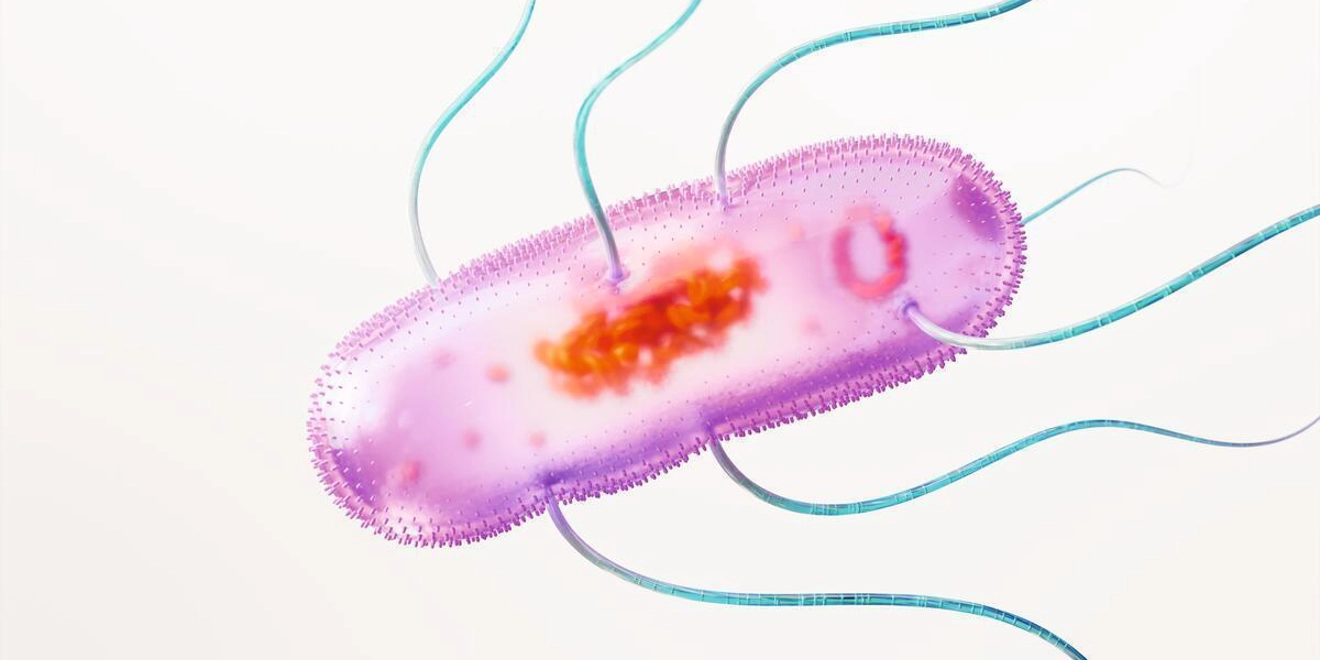
As leaders in infectious diseases, GSK is committed to investing in anti-infectives research, prevention and treatments for urinary tract infections (UTIs), including complicated and uncomplicated UTIs. We also focus on bacterial infections where resistance is creating an urgent need for new treatments.
Our expertise and capabilities in infectious disease strongly position us to help prevent disease and mitigate the challenge of antimicrobial resistance (AMR).
Urinary tract infections
Among the most common infectious diseases in the U.S., urinary tract infections (UTIs) accounted for about 5.5 million outpatient and emergency department visits in 2018.1 GSK recognizes the importance of advanced research with the goal of ultimately improving patient outcomes.
Uncomplicated UTI (uUTI)
In the U.S., nearly half of all women will experience an uncomplicated urinary tract infection (uUTI) in their lifetime, yet the full burden of this condition remains vastly underreported. About a third experience recurring infections that persistently disrupt daily life. Adding a significant complexity is the increase in drug-resistant bacteria, rendering traditional treatments more challenging and ineffective. Further, the economic burden on the U.S. healthcare system, with direct and indirect costs, are estimated at around $3.5 billion per year.2
Complicated UTI (cUTI)
Every year, there is an estimated 3 million cases of complicated urinary tract infections (cUTIs), affecting U.S. men and women.3 cUTIs often occur in the presence of factors that increase the complexity of infection, such as structural or functional abnormalities of the urinary tract or other complicating conditions. As antimicrobial resistance continues to rise, treatment may become increasingly challenging for some patients.
Anti-infectives research
AMR is among one of the most urgent public health threats in the US with an estimated more than 2.8 million AMR infections occurring each year.4 Across our pipeline we have over 30 projects relevant to AMR, 12 of them targeting pathogens deemed ‘critical’ or ‘urgent’ by WHO and the US Centers for Disease Control and Prevention. We are actively addressing the challenge of AMR, including the development of novel antibiotics for antibiotic-resistant infections.
AMR is particularly prevalent in low-resource settings.5 We continue to research treatments against several enteric diseases that contribute to the burden of AMR, including salmonella, typhoid, shigella and paratyphoid fever. We collaborate with governments, international organizations, and academic institutions to share knowledge, resources, and expertise to accelerate the development of new antibiotics, promote responsible use of existing treatments, and implement effective strategies to combat AMR on a global scale.
References
Centers for Disease Control and Prevention (CDC). National Ambulatory Medical Care Survey: 2018 National Summary Tables. Accessed August 12,2024. https://www.cdc.gov/nchs/data/ahcd/namcs_summary/2018-namcs-web-tables-508.pdf
Flores-Mireles AL, Walker JN, Caparon M, Hultgren SJ. Urinary tract infections: epidemiology, mechanisms of infection and treatment options. Nat Rev Microbiol. 2015 May;13(5):269-84.
GSK, PIVOT-PO phase III study for tebipenem HBr stopped early for efficacy following review by Independent Data Monitoring Committee (May 28, 2025)
Centers for Disease Control and Prevention. 2019 Antibiotic Resistance Threats Report. https://www.cdc.gov/antimicrobial-resistance/data-research/threats/index.html
Antimicrobial Resistance Collaborators. (2022). Global burden of bacterial antimicrobial resistance in 2019: a systematic analysis. The Lancet; 399(10325): P629-655. DOI: https://doi.org/10.1016/S0140-6736(21)02724-0